Galvanised Fittings
Galvanised fittings for threaded pipe systems including elbows, tees, sockets, and nipples with corrosion-resistant coating. Essential components for durable pipe connections in plumbing and industrial applications. Prices range from £1.36 to £23.47 with reducing and equal sizing options available.
-

285 Barrel Nipple – Galvanised Fitting
From £1.35 -

2A F/F Bend | Galvanised Steel 90 Degree Fitting | BSP Threading
From £5.03 -

312 Galvanised Backnut | BSP Thread | Heavy Duty
From £1.48 -

340 F/F Union | Galvanised Steel Pipe Coupling | BSP Threading
From £7.85 -

341 M/F Union | Galvanised Steel Pipe Coupling | BSP Threading
From £11.64 -

400 Munsen Ring | Galvanised Steel Pipe Clamp | M10/M12 Tapped
From £4.21 -

500 Backing Plate | Galvanised Steel M10 Tapped | Mounting Hardware
£2.59 -
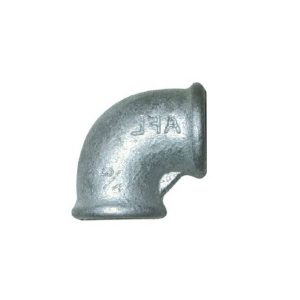
90 F/F Elbow | Galvanised Steel 90 Degree Fitting | BSP Threading
From £1.93 -

92 M/F Elbow | Galvanised Steel 90 Degree Fitting | BSP Threading
From £2.20
Galvanised Fittings for Threaded Pipe Systems
This collection features galvanised threaded fittings designed for corrosion-resistant pipe system construction.
The range includes directional components such as F/F 45 degree elbows and M/F bends for pipe routing, alongside tees and reducing tees for branching applications.
Connection fittings comprise reducing sockets, reducing bushes, and F/F sockets for various joint requirements. Nipples are available in both reducing hex and hex equal configurations for extended connections.
Cross fittings enable four-way connections, whilst the galvanised coating provides enhanced durability and corrosion protection for long-term service.
| Collection Specifications | Galvanised Fittings Details |
|---|---|
| Price Range | £1.36 – £23.47 |
| Product Types | 10 different fitting types |
| Coating | Galvanised for corrosion resistance |
| Connection Method | Threaded fittings |
| Lowest Price Item | Reducing Bush (from £1.36) |
| Highest Price Item | F/F 45 Degree Elbow (£23.47) |
Frequently Asked Questions about Galvanised Fittings
Q: What advantages does galvanised coating provide for pipe fittings? A: Galvanised coating offers excellent corrosion resistance, extending fitting life in harsh environments and reducing maintenance requirements compared to uncoated steel fittings.
Q: What’s the difference between reducing and equal fittings? A: Reducing fittings connect different pipe sizes (e.g., reducing tees, reducing sockets), whilst equal fittings maintain the same size throughout all connections.
Q: Are F/F and M/F designations important for fitting selection? A: Yes, F/F (female/female) fittings accept male-threaded pipes on both ends, whilst M/F (male/female) fittings combine male and female threading for versatile connections.
Q: Can galvanised fittings be used for potable water systems? A: Galvanised fittings are suitable for many water applications, though specific food-grade certifications should be verified for potable water system compliance.
Q: What’s the purpose of hex nipples in pipe systems? A: Hex nipples provide extended connection lengths with hexagonal gripping surfaces for easy installation and removal using standard spanners.
Q: Are reducing bushes and reducing sockets interchangeable? A: No, reducing bushes typically screw into female fittings to reduce size, whilst reducing sockets accept pipes of different diameters – choose based on connection requirements.
Q: Can cross fittings handle the same pressure as tees and elbows? A: Cross fittings are designed to meet standard pressure ratings, though the four-way design may have different stress characteristics compared to simpler fittings.
Q: Do galvanised fittings require special installation techniques? A: Standard threading techniques apply, though thread sealant is recommended to ensure leak-proof joints and prevent galvanic corrosion in mixed-metal systems.
Q: Are these fittings suitable for outdoor installations? A: Yes, galvanised coating provides excellent weather resistance, making these fittings ideal for outdoor plumbing and industrial applications.
Q: How do I prevent threading damage during installation? A: Use proper thread lubricant, avoid over-tightening, and ensure thread compatibility to prevent damage to the galvanised coating and underlying metal.